Study Overview
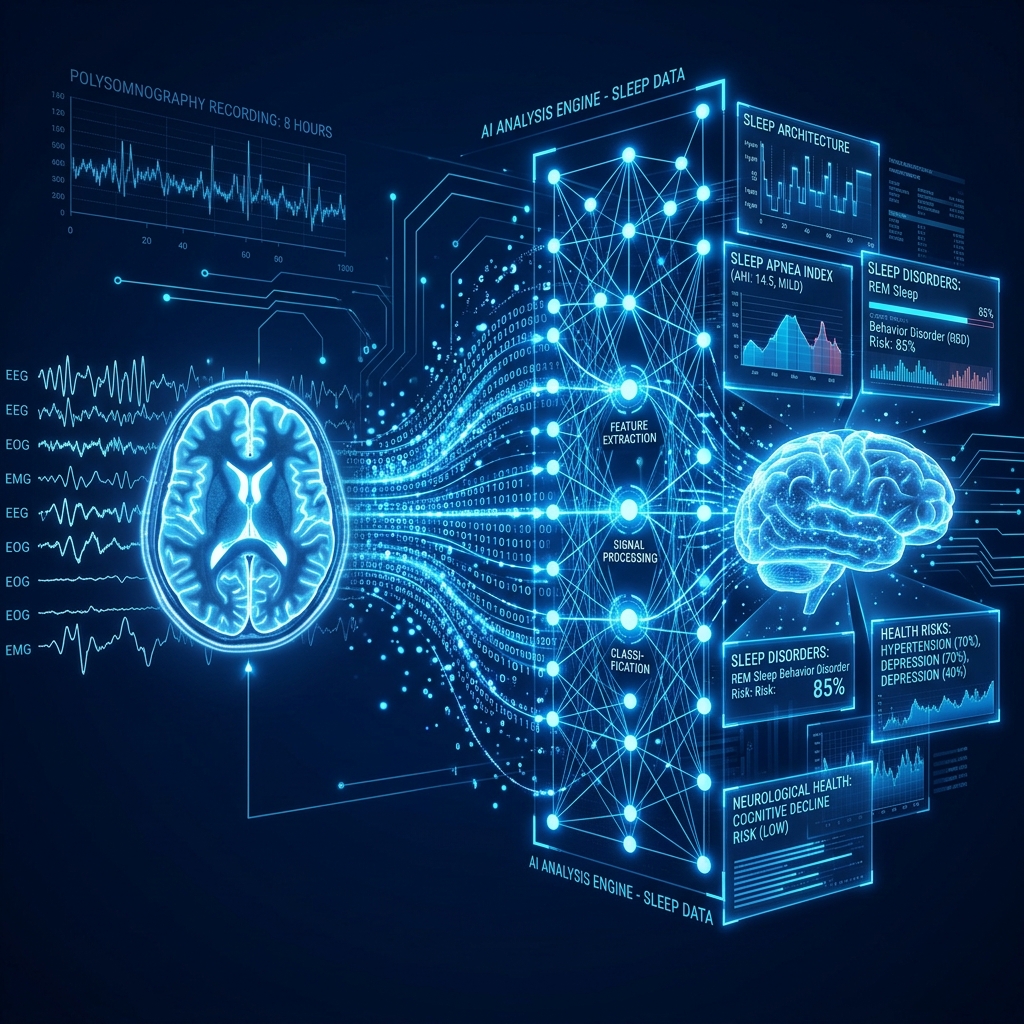
A study published in JAMA Network Open on July 31, 2026, used machine learning to analyze EEG recordings from approximately 7,000 adults during sleep. The researchers developed a model that estimates a person's "brain age" based solely on their sleep EEG patterns — the electrical signatures the brain produces during different sleep stages.
Key Finding
When a person's estimated brain age is older than their chronological age, they face a significantly higher risk of developing dementia. Specifically, every 10-year increase in the gap between brain age and chronological age raised dementia risk by approximately 40%.
This means a 60-year-old whose sleep EEG patterns resemble those of a 70-year-old has a meaningfully elevated risk of cognitive decline — even if they show no symptoms today.
Why This Matters for Consumer Sleep Tech
This study has direct implications for the wearable EEG devices reviewed by Body Mind State:
- Muse S Athena and FRENZ Brainband already record clinical-grade EEG during sleep. If the ML model behind this study is made publicly available, these devices could theoretically run brain-age predictions using overnight data.
- Oura Ring 5 and Eight Sleep do not record EEG, so they cannot perform this type of analysis. This highlights the fundamental difference between accelerometer/PPG-based sleep trackers and true EEG devices.
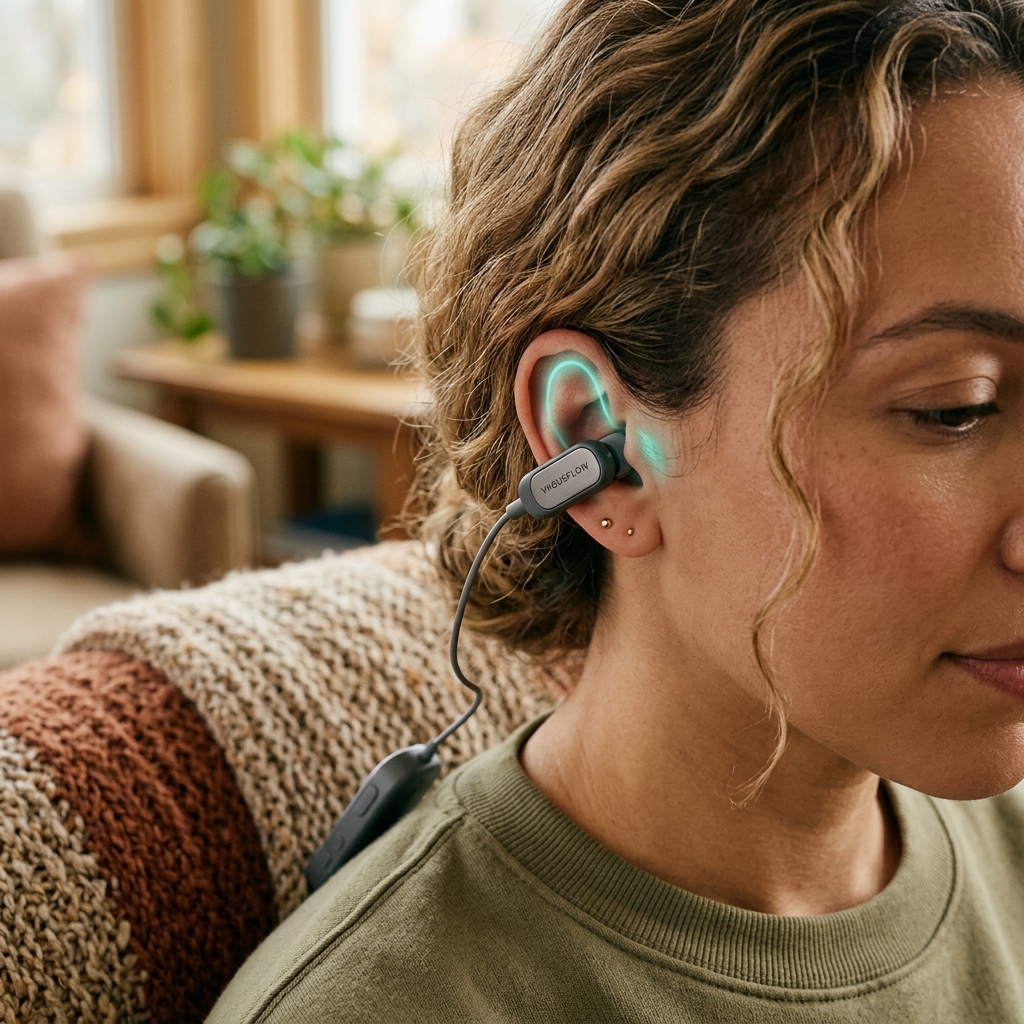
- NaoX Wave in-ear EEG earbuds could potentially serve as an accessible form factor for brain-age monitoring, though their signal quality relative to full-cap EEG has not yet been validated for this purpose.
Methodology
| Parameter | Detail |
|---|---|
| Sample size | ~7,000 adults |
| Method | Machine learning analysis of sleep EEG |
| Metric | Estimated brain age vs. chronological age |
| Risk increase | ~40% per 10-year brain age gap |
| Published | JAMA Network Open, July 31, 2026 |
Clinical Implications
Unlike amyloid PET scans or cerebrospinal fluid biomarkers — which are invasive, expensive, and typically performed only after symptoms appear — sleep EEG is non-invasive, repeatable, and increasingly accessible through consumer devices. If validated in prospective trials, sleep-based brain-age estimation could become a routine screening tool for neurodegenerative risk, detectable years or decades before clinical symptoms.
Body Mind State Assessment
This study shifts the conversation about sleep trackers from "how well did I sleep last night" to "what is my brain's biological trajectory." The clinical significance is substantial: a 40% risk increase per decade of brain aging is a strong signal. The gap between EEG-capable and non-EEG consumer devices just became clinically meaningful.