Key Findings
A randomized, double-blind, controlled trial published in Nature Medicine in August 2026 provided the first large-scale evidence that psilocybin-assisted therapy is effective when delivered through public healthcare infrastructure rather than specialized private research clinics. The multi-site trial enrolled 233 adults with moderate-to-severe major depressive disorder across six National Health Service sites in the United Kingdom.
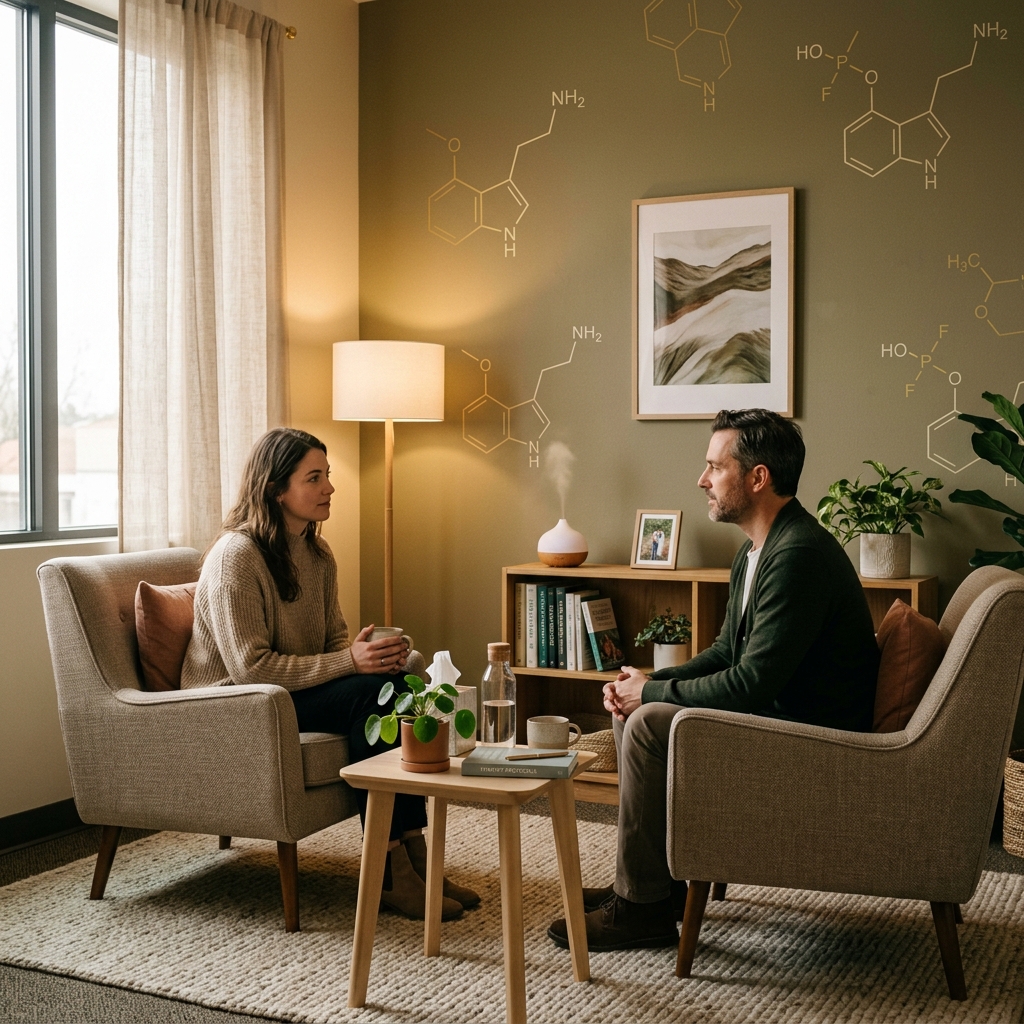
Participants received a single 25mg dose of synthetic psilocybin (COMP360) alongside a structured psychological support protocol consisting of one preparation session, guided dosing with two trained therapists, and three integration sessions. At the primary endpoint of 3 weeks, 41% of psilocybin recipients achieved clinical response (≥50% MADRS reduction) compared to 18% in the active placebo group (p < 0.001). Sustained response at 12 weeks remained significantly higher in the psilocybin group (34% vs 14%).
Critically, the trial demonstrated that the therapeutic effect was achievable with standard NHS clinical staff trained in a brief protocol — rather than requiring the highly specialized, resource-intensive therapy teams used in prior Phase 2/3 trials. This scalability finding addresses the primary barrier to psilocybin therapy implementation: workforce capacity.
Why This Matters for Body-Mind Practice
This trial shifts the conversation about psychedelic therapy from "does it work?" to "can it scale?" The finding that standard healthcare providers — with focused training — can deliver effective psilocybin-assisted therapy is significant for body-mind practitioners, many of whom are positioned to serve as integration therapists. The structured support protocol used in this trial explicitly incorporated somatic awareness, breathwork, and mindfulness practices, reinforcing the central role of embodied awareness in psychedelic-assisted nervous system recalibration.
Source
- Psilocybin single dose sustained depression relief in public healthcare. — Nature Medicine