Key Findings
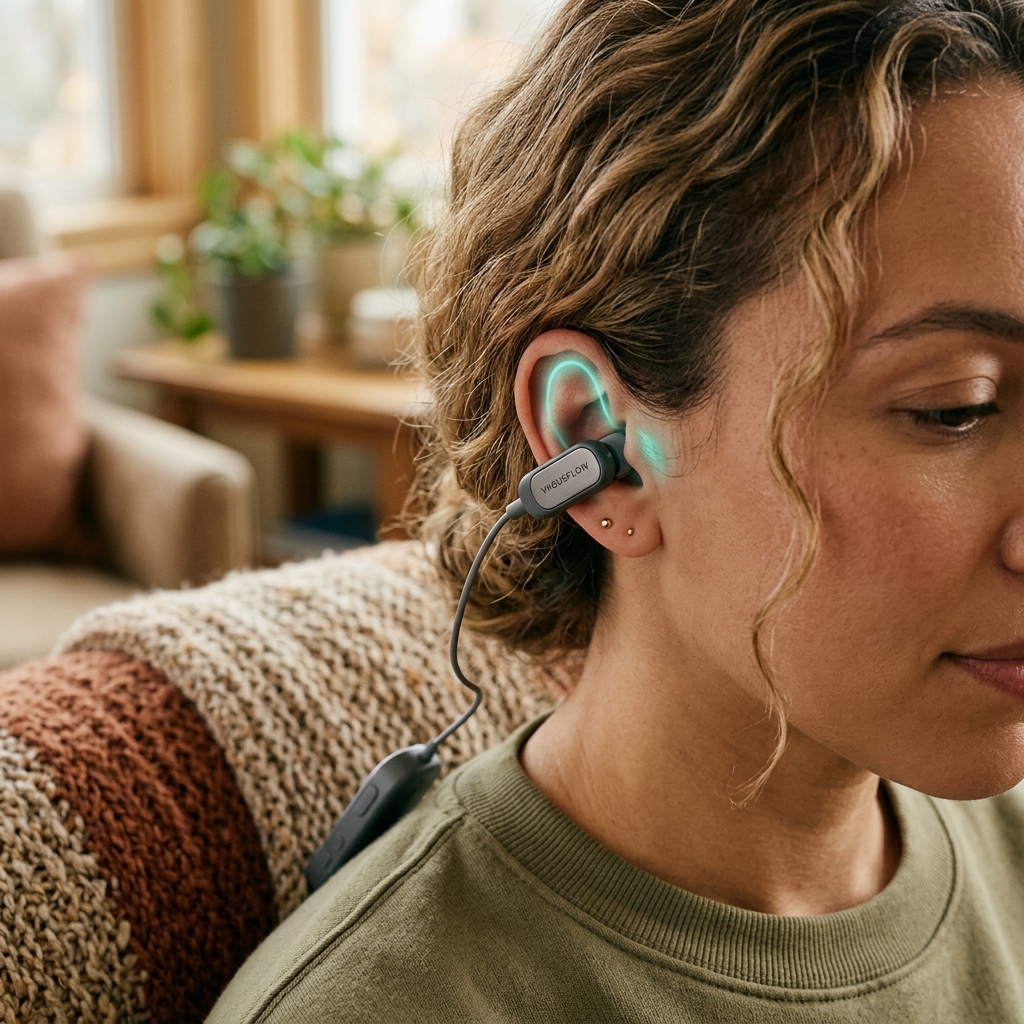
Masticatory exercise promotes systemic health and cognitive function. Although acute masticatory stimuli enhance prefrontal cortical activity, the effects of increased habitual chewing on cortical activity remain unclear. This study evaluated the effects of habitual chewing on cortical activity in young adults. Forty-one young adults (aged 21-31 years) were randomly assigned to an intervention group, which used a wearable device to increase attentional chewing strokes during meals for 1 month, or a control group that did not use the device. We monitored the cortical activity during gum chewing using functional near-infrared spectroscopy at baseline and immediately after intervention. We recorded the number of chews per rice ball at baseline, immediately after intervention, and at 3 months post-intervention. Changes across different time points in each group were compared using one-sample t-tests with Bonferroni correction. The intervention group showed a significant increase in the number of chews after the intervention and at the 3-month follow-up, whereas the control group exhibited no changes. Moreover, the intervention group demonstrated significantly higher activity in the dorsolateral prefrontal cortex (DLPFC) and premotor cortex compared with the control group. A voxel-based correlation analysis revealed a positive correlation between increase in chewing strokes and activity in these brain regions in the intervention group (family-wise error-corrected, P < 0.05). Intentional chewing, enhanced through an attentional intervention, led to increased activation in the DLPFC and premotor cortex during mastication. These results demonstrated the objective neural effects of interventions targeting habitual masticatory behavior.
Why This Matters for Body-Mind Practice
[Draft — editorial context needed]
Source
- Habitual attentional mastication boosts prefrontal activity during chewing: A randomized trial. — Journal of prosthodontic research