Key Details
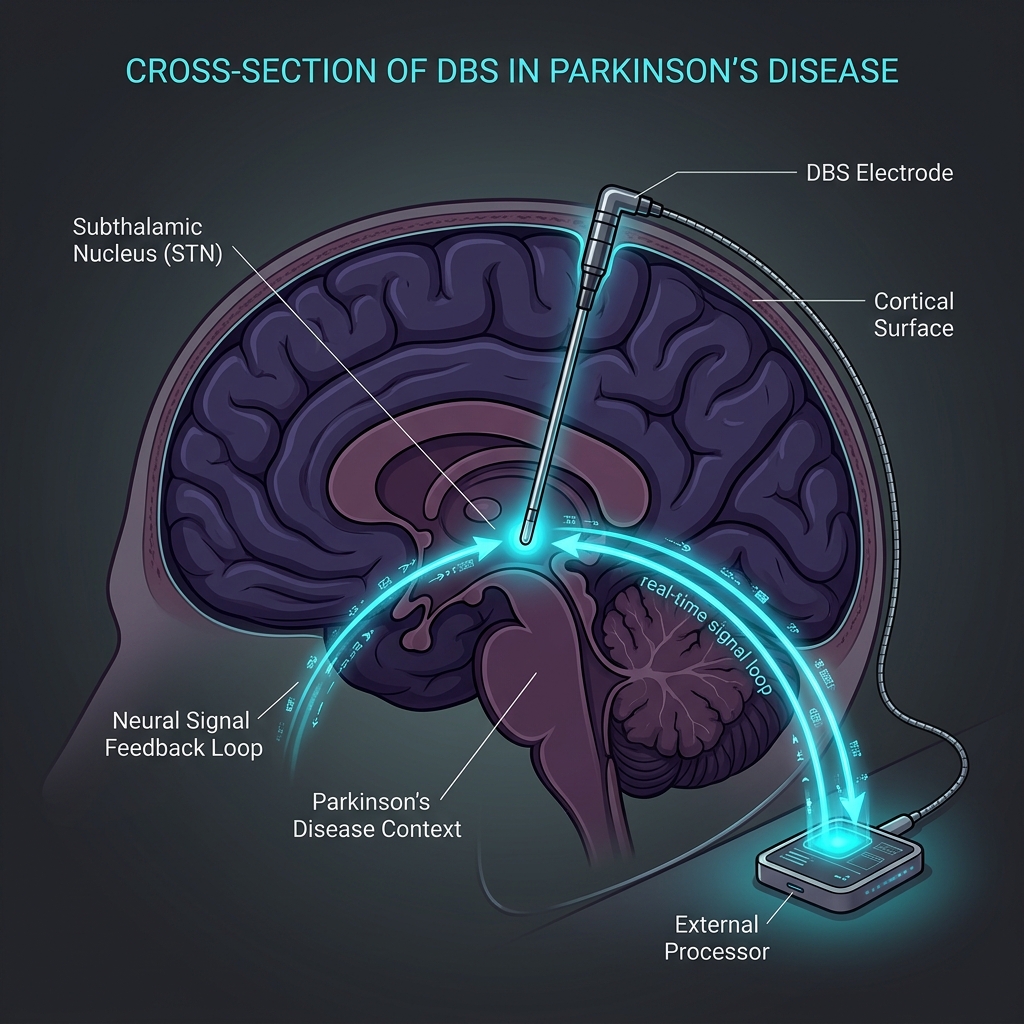
Tremor is a common symptom in movement disorders such as Parkinson disease and essential tremor. While both conditions benefit from deep brain stimulation (DBS), the neural substrates underlying different tremor types and their treatment remain poorly defined. Here, we use DBS network mapping in multiple patient cohorts to investigate whether rest vs. action tremor respond to stimulation of the same or distinct subnetworks within the primary motor cortex. Building on recent functional parcellations of the motor cortex, we test whether therapeutic networks converge on either "effector"-specific or "inter-effector" regions along the motor strip. In both disorders and stimulation targets, rest tremor is more strongly linked to effector-specific regions, while action tremor preferentially engages inter-effector territories. Furthermore, clinical programming aligns with symptom-specific network engagement supporting tailored stimulation strategies. These findings provide insights into the network organization underlying tremor types and their treatment, potentially informing symptom-specific neuromodulation strategies across movement disorders.
Why This Matters
[Draft — editorial context needed]