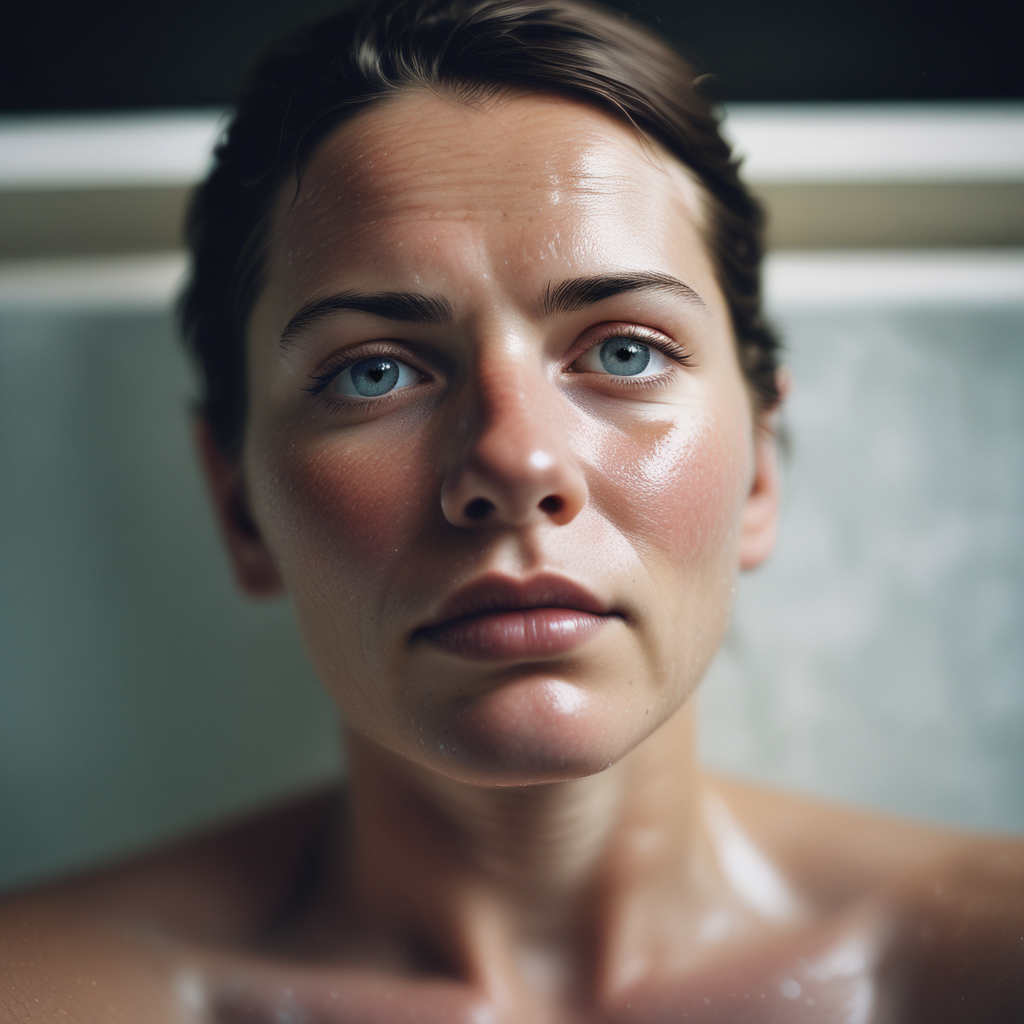
The Cold Exposure Boom
Cold water immersion has gone from fringe biohacking to mainstream wellness in under five years. Credit Wim Hof, Andrew Huberman, and a generation of ice bath companies. But the science predates the hype — and it's more complicated than "cold is good for you."
The core mechanism is straightforward: cold exposure activates the sympathetic nervous system, triggers norepinephrine release, and produces a cascade of downstream effects including vasoconstriction, anti-inflammatory signaling, and mood elevation.
What's less straightforward: when these effects are beneficial and when they're counterproductive.
What the Evidence Supports
Mood and Mental Health
The strongest evidence for cold exposure is in mood regulation. A 2023 systematic review in the British Journal of Sports Medicine found consistent evidence that cold water immersion increases norepinephrine by 200-300% and dopamine by 250%. These are not trivial changes — they rival the acute effects of some pharmaceutical interventions.
Cold exposure activates the locus coeruleus, the brain's primary norepinephrine center, which has downstream effects on attention, arousal, and mood. This is likely why regular cold exposure practitioners consistently report improved alertness and reduced anxiety.
Inflammation Reduction
Cold water immersion at 10-15°C for 10-15 minutes reduces markers of systemic inflammation, including IL-6 and CRP. A 2022 meta-analysis found small but consistent anti-inflammatory effects.
Autonomic Nervous System Training
Repeated cold exposure appears to improve autonomic flexibility. Regular practitioners show improved HRV, faster recovery from stress, and better thermoregulation. The mechanism is essentially stress inoculation — controlled exposure to a manageable stressor trains the nervous system to recover efficiently.
What the Evidence Doesn't Support
Post-Workout Cold Immersion for Muscle Growth
This is where the science directly contradicts popular practice. A landmark 2015 study in The Journal of Physiology found that cold water immersion after resistance training blunted muscle protein synthesis and satellite cell activity — the exact processes that drive muscle growth.
If your goal is hypertrophy, cold plunging after lifting is counterproductive. The inflammation you're suppressing is the same inflammation that triggers adaptation.
The rule: Separate cold exposure from strength training by at least 4-6 hours.
Cryotherapy Chambers vs. Cold Water
Whole-body cryotherapy chambers (-110°C air) are marketed as superior to cold water immersion. The evidence doesn't support this. A 2017 Cochrane review found insufficient evidence that cryotherapy chambers improve recovery more than cold water immersion. Water conducts heat 25x more efficiently than air — a $15 cold shower may be more effective than a $75 cryo session.
Practical Protocols
Based on the available evidence:
| Goal | Protocol | Timing |
|---|---|---|
| Mood / Energy | 1-3 min at 10-15°C | Morning, any day |
| Recovery (non-lifting days) | 10-15 min at 10-15°C | Post-cardio or rest days |
| Inflammation | 10-15 min at 10-15°C | 2-3x per week |
| Avoid | Post-resistance training | Within 4 hours of lifting |
The minimum effective dose appears to be 11 minutes per week total, spread across 2-4 sessions. Colder isn't necessarily better — the physiological response plateaus around 10°C.
The Bottom Line
Cold exposure has legitimate physiological effects supported by real research. The mood and nervous system benefits are the strongest. The recovery benefits are real but context-dependent — and using cold after strength training actively impairs adaptation.
The best approach: use cold strategically, not reflexively. Your nervous system will thank you. Your gains depend on the timing.
Watch: Andrew Huberman — The Science of Cold Exposure
Dr. Huberman breaks down the protocols, timing, and physiology of cold exposure for recovery — including the dopamine response, brown fat activation, and the Søberg principle for maximum benefit.